Cornwall in July: The Warm Sea and the Long Evenings
July is when the Cornish sea turns swimmable at about 14C, and the first month to lose daylight. Schools break up on 23 July, which splits the month in two.
0 Comments
4 October 2026


Posts about getting to and around Cornwall, including public transport options, driving routes, and travel tips.
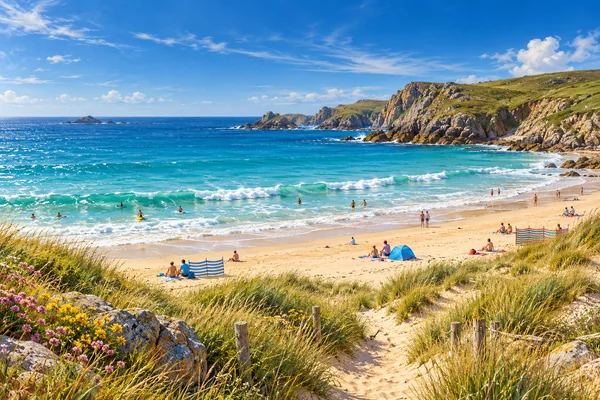
July is when the Cornish sea turns swimmable at about 14C, and the first month to lose daylight. Schools break up on 23 July, which splits the month in two.
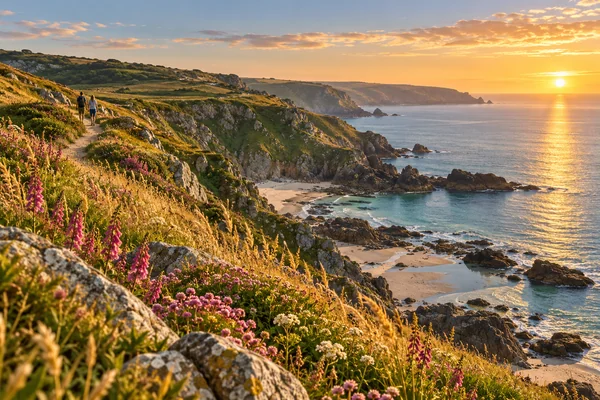
June has the longest days of the year at over sixteen hours and the fewest wet days at Camborne, plus the Royal Cornwall Show on 10-12 June 2027.
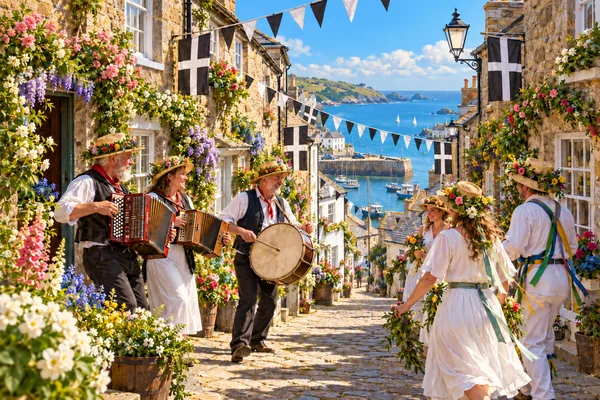
May is the sunniest and driest month of the Cornish year, and in 2027 it carries Obby Oss on Saturday 1 May and Helston Flora Day the Saturday after.

April brings the biggest jump in sunshine of the Cornish year and the end of frost. Easter is in March in 2027, leaving 12-30 April quiet and bluebells out.
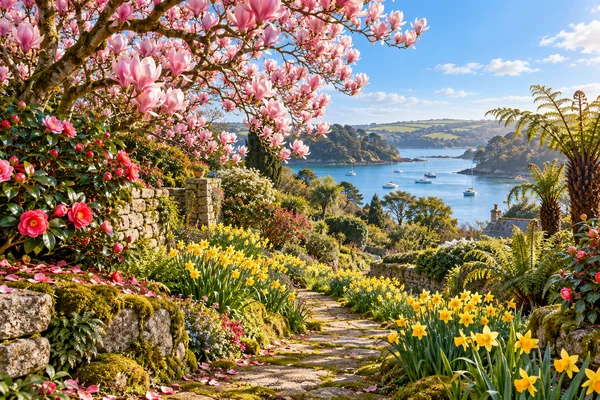
March is the first month warmer, drier and sunnier than the last: peak magnolias and daffodils, seabirds back on the cliffs, and Easter early on 26 March.
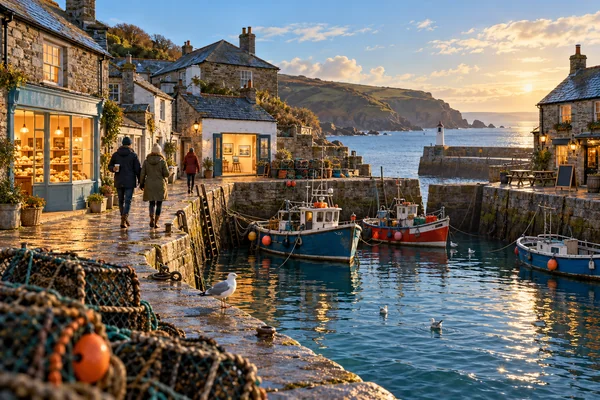
What's actually open in Cornwall between November and March: the attractions and gardens that run all year, the ones that shut, and what to check first.

February is Cornwall's coldest month and the point winter starts losing: drier and brighter than January, the first snowdrops, half term 15-19 February 2027.
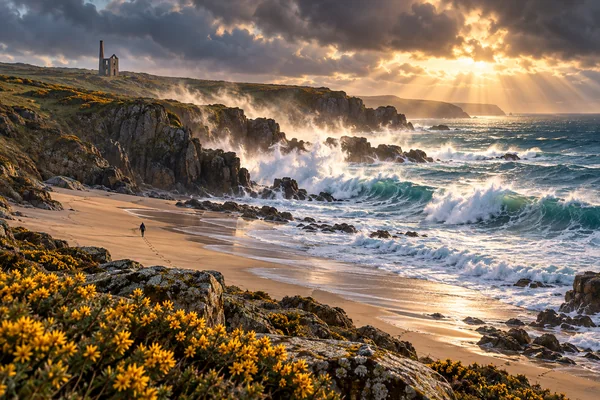
Cornwall in January: highs near 9C, 17 wet days and 60 hours of sun, but empty beaches, huge Atlantic swells and the cheapest stays of the year.

Retiring to Cornwall honestly: the two Cornwalls, coast versus community, real costs, healthcare geography, and the road home my own father took.
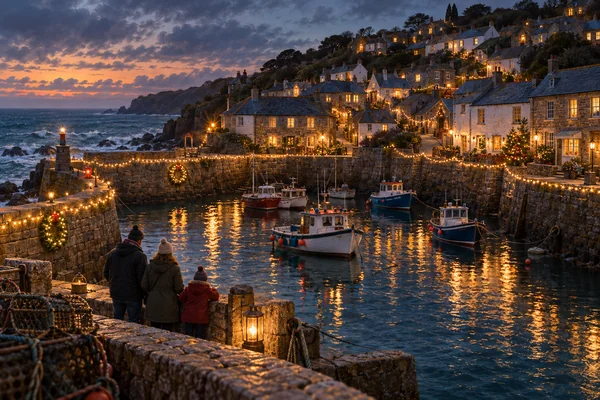
Cornwall in December: Britain's mildest midwinter. Mousehole's harbour lights, Padstow's festival, storm drama, Boxing Day beaches and the year's best prices.